CityPulse

0%

CityPulse Urban Solutions

INTEGRATED PLANNING.

GEOSPATIAL INTELLIGENCE.

INFRASTRUCTURE DELIVERY.

DESIGNING
FUTURE‑READY
CITIES.

ABOUT US

CityPulse Urban Solutions Is A Multidisciplinary Company Committed To Shaping Future-Ready Urban Environments Through Integrated Planning, Design, Geospatial Intelligence, And Project Delivery. We Bring Together Urban Planners, GIS Experts, Engineers, And Certified PMP Professionals To Deliver Innovative, Practical, And Sustainable Solutions Across The Infrastructure, Real Estate, And Institutional Sectors.

WHAT IS
URBAN PLANNING?

Urban Planning Is The Process Of Designing And Organizing How Cities And Towns Grow And Function. It Focuses On The Efficient Use Of Land, Infrastructure, And Resources To Create Safe, Sustainable, Inclusive, And Well-Functioning Communities.

Where People Live - Housing
Where They Work - Commercial & Industrial Areas
How They Move - Roads, Transport, Walkways
How Cities Stay Healthy - Water, Sanitation, Green Spaces
How Development Is Regulated - Zoning, Building Rules

KEY COMPONENTS
OF URBAN PLANNING

– Deciding How Land Is Used: Residential, Commercial, Industrial, Recreational, Etc.

For E.G. Industrial Areas Away From Housing

Roads, Public Transport, Pedestrian And Cycling Networks.

For E.G. Smart Traffic Management Using AI And IoT And Metro, Suburban Rail, BRT, And City Buses

Water Supply, Drainage, Electricity, Waste Management.

For E.G. Smart Meters And Energy Management Systems And Decentralized Wastewater Treatment And Reuse

Parks, Open Spaces, Climate Resilience, Pollution Control.

For E.G. Green Belts For Environmental Protection

Schools, Hospitals, Housing Affordability, Public Amenities.

For E.G. Residential Zones Near Schools And Parks

Business Districts, Employment Zones, Investment Areas.

For E.G. Business Districts Near Transport Hubs

WHAT IS THE
IMPORTANCE OF
URBAN PLANNING

  • Control Unplanned Growth And Urban Sprawl
  • Reduce Traffic Congestion And Pollution
  • Improve Quality Of Life
  • Ensure Equitable Access To Services
  • Make Cities Resilient To Climate Change And Disasters

ISSUES ADDRESSED BY
URBAN PLANNING

Poor Or Absent Urban Planning Is Harmful For The Future Because It Leads To Environmental Damage, Social Inequality, Infrastructure Failure, Traffic Congestion, And Unsustainable City Growth.

Urban Planning Addresses Many City Problems, But If It Is Poorly Planned Or Ignored, It Can Be Harmful For The Future Of A City. Here's Why Issues Related To Weak Or Ineffective Urban Planning Are Not Good For The Future:
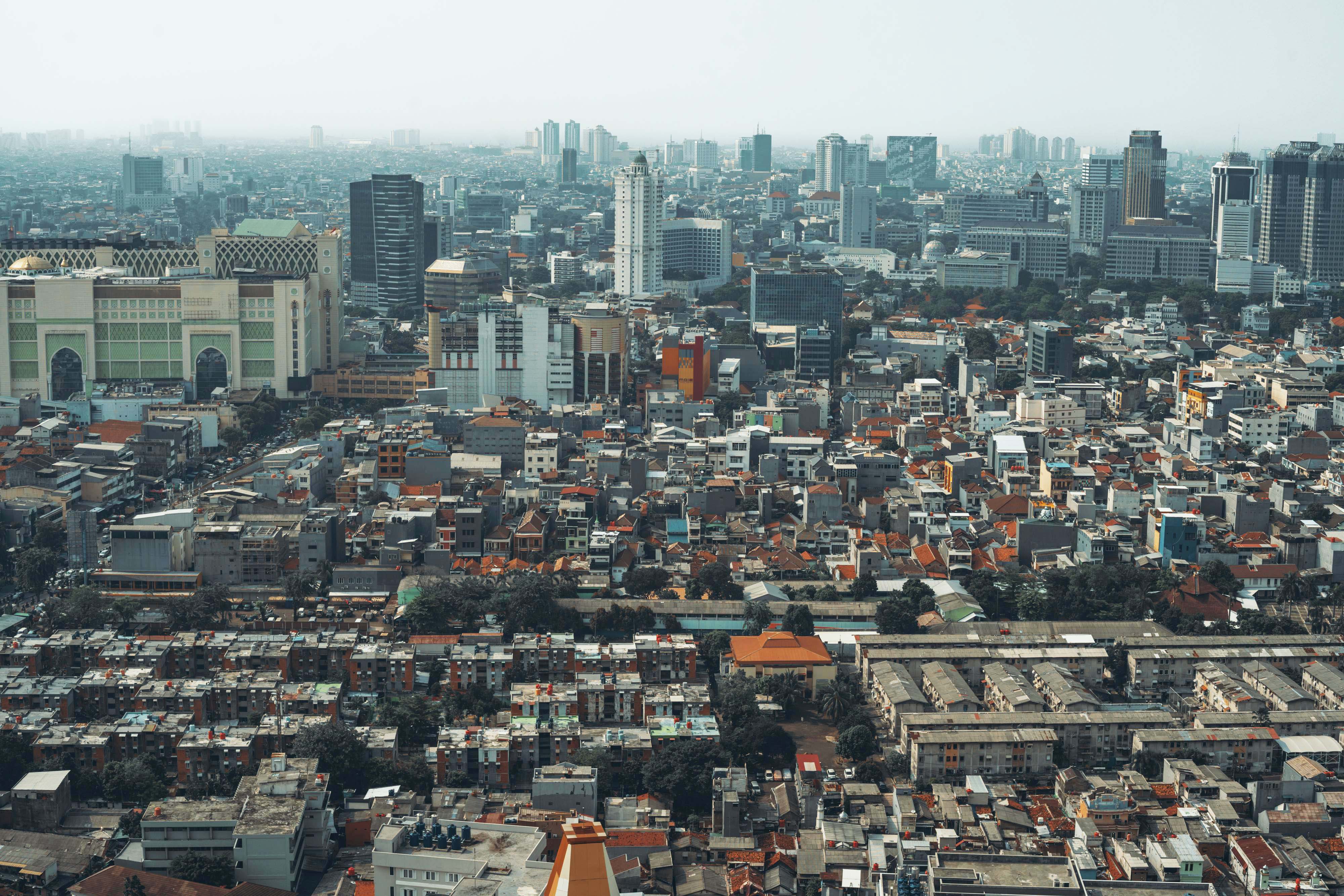
Urban Sprawl Kharadi IT Park

UNREGULATED URBAN EXPANSION / URBAN SPRAWL

Unregulated Urban Expansion, Also Known As Urban Sprawl, Refers To The Uncontrolled Outward Growth Of Cities Into Surrounding Rural Or Peri-Urban Areas. It Is Characterized By Low-Density Development, Heavy Dependence On Private Vehicles, And Scattered Land Use Without Adequate Planning Or Infrastructure.

  • Infrastructure Strain: High Cost Of Extending Roads, Water, Power, And Services.
  • Traffic & Travel Time: Increased Dependence On Private Vehicles.
  • Environmental Impact: Loss Of Agricultural Land, Forests, And Biodiversity.
  • Urban Inequality: Poor Access To Jobs, Schools, And Healthcare.
  • Higher Carbon Emissions: More Fuel Consumption And Pollution.
  • Weak Community Life: Low-Density Areas Reduce Social Interaction.
  • Proper Urban Planning & Zoning: Clearly Define Residential, Commercial, Industrial, And Green Zones.
  • Compact City Development: Promote High-Density And Vertical Growth Instead Of Horizontal Spreading.
  • Transit-Oriented Development (TOD): Develop Housing And Jobs Around Public Transport Hubs.
  • Protection Of Green Belts: Restrict Construction On Agricultural Land, Forests, And Wetlands.
  • Affordable Housing Within Cities: Reduce The Need For People To Move Far From City Centers.
  • Strong Governance & Regulations: Enforce Building Laws And Land-Use Policies Strictly.
  • Efficient Land Use: Preserves Farmland And Natural Ecosystems.
  • Lower Infrastructure Costs: Saves Money On Roads, Utilities, And Services.
  • Reduced Traffic Congestion: Shorter Travel Distances And Better Public Transport.
  • Less Pollution & Carbon Emissions: Healthier Environment.
  • Better Quality Of Life: Easy Access To Jobs, Schools, Healthcare, And Markets.
  • Sustainable Urban Growth: Cities Grow In A Balanced And Resilient Way.

Planned And Compact Development Creates Smarter, Greener, And More Livable Cities For The Future.
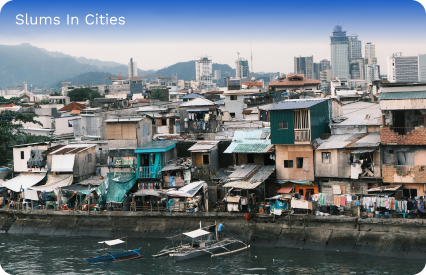
Slums In Cities Slums In Cities

HOUSING SHORTAGES & INFORMALITY

Housing Shortages And Informality Occur When The Demand For Affordable And Adequate Housing Exceeds The Available Supply, Leading To The Growth Of Informal Settlements, Slums, And Unauthorized Housing. This Is Common In Rapidly Urbanizing Cities Where Formal Housing Markets And Planning Systems Cannot Keep Pace With Population Growth.

  • Poor Living Conditions: Overcrowding, Unsafe Structures, Lack Of Sanitation.
  • Lack Of Basic Services: Limited Access To Water, Electricity, And Waste Systems.
  • Health & Safety Risks: Higher Vulnerability To Diseases, Fires, And Disasters.
  • Legal Insecurity: No Land Tenure Or Property Rights.
  • Urban Inequality: Reinforces Social And Economic Disparities.
  • Planning Challenges: Difficult To Integrate Into Formal Urban Systems.
  • Affordable Housing Programs: Government And Private Sector Partnership To Build Low-Cost Homes.
  • Slum Upgrading & Redevelopment: Improve Existing Informal Settlements With Proper Housing And Services.
  • Inclusive Zoning Policies: Reserve Land For Low- And Middle-Income Housing In All City Areas.
  • Co-Living Models And Rental Housing: Promote Safe And Affordable Rental Options, Support Inclusive Urban Growth.
  • Access To Housing Finance: Easy Loans, Subsidies, And Micro-Finance For Low-Income Groups.
  • Secure Land Tenure: Legal Ownership Or Occupancy Rights For Informal Settlers.
  • Reduced Slums & Homelessness: More People Live In Safe, Legal Housing.
  • Improved Living Conditions: Better Water, Sanitation, Electricity, And Safety.
  • Social Inclusion: Integrates Poor Communities Into The Formal City System.
  • Economic Growth: Housing Construction Creates Jobs And Boosts The Economy.
  • Better Health & Education: Stable Homes Improve Family Well-Being.
  • Sustainable Urban Development: Planned Housing Reduces Urban Inequality And Poverty.

Affordable And Inclusive Housing Policies Create Safer, Healthier, And More Equitable Cities For The Future.
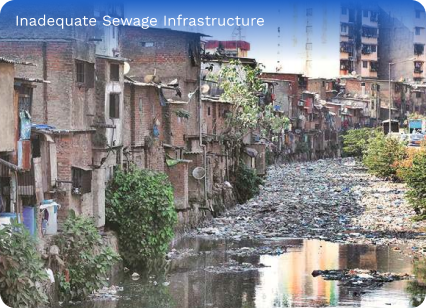
Inadequate Sewage Infrastructure Inadequate Sewage Infrastructure

INADEQUATE BASIC INFRASTRUCTURE & SERVICES

Inadequate Basic Infrastructure And Services Refer To The Insufficient Availability Or Poor Quality Of Essential Urban Facilities Such As Water Supply, Sanitation, Drainage, Electricity, Roads, Waste Management, Healthcare, And Digital Connectivity. This Issue Is Common In Rapidly Growing Cities Where Infrastructure Development Does Not Keep Pace With Population Growth.

  • Poor Quality Of Life: Limited Access To Basic Services Affects Daily Living.
  • Public Health Risks: Increases Spread Of Diseases Due To Poor Sanitation And Water.
  • Economic Inefficiency: Reduces Productivity And Increases Living Costs.
  • Environmental Degradation: Leads To Pollution And Improper Waste Disposal.
  • Social Inequality: Disproportionately Affects Low-Income Communities.
  • Urban Vulnerability: Increases Risk During Floods, Heatwaves, And Disasters.
  • Integrated Infrastructure Planning: Plan Water, Sanitation, Power, Roads, And Digital Services Together.
  • Increased Public Investment: Allocate Higher Budgets For Urban Infrastructure Projects.
  • Public-Private Partnerships (PPP): Involve Private Players To Improve Efficiency And Funding.
  • Smart Infrastructure Systems: Use Technology For Smart Water Meters, Smart Grids, And Traffic Systems.
  • Decentralized Services: Local Water Treatment, Solar Energy, And Waste Management At Community Level.
  • Regular Maintenance & Monitoring: Prevent Breakdowns Through Timely Repairs And Upgrades.
  • Reliable Basic Services: Continuous Access To Water, Electricity, Sanitation, And Transport.
  • Better Public Health: Reduced Diseases And Cleaner Living Conditions.
  • Economic Growth: Strong Infrastructure Attracts Businesses And Investments.
  • Improved Quality Of Life: Less Time Spent On Basic Needs, More Comfort And Safety.
  • Environmental Sustainability: Efficient Systems Reduce Waste And Resource Loss.
  • Resilient Cities: Better Prepared For Population Growth And Climate Challenges.

Strong Infrastructure Is The Backbone Of Healthy, Productive, And Future-Ready Cities.
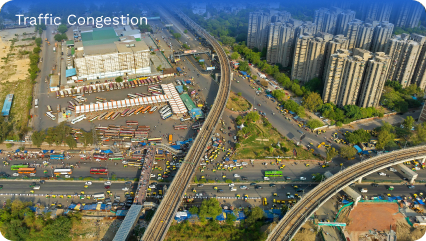
Traffic Congestion Traffic Congestion

TRAFFIC CONGESTION & POOR TRANSPORT CONNECTIVITY

Traffic Congestion And Poor Transport Connectivity Occur When Urban Transport Systems Are Unable To Handle Travel Demand Efficiently, Resulting In Overcrowded Roads, Long Travel Times, Unreliable Public Transport, And Weak Connections Between Residential, Commercial, And Industrial Areas.

  • Time Loss & Productivity Decline: Longer Commuting Hours Lead To Reduced Efficiency And Lower Overall Productivity.
  • Environmental Pollution: Higher Vehicle Emissions And Poor Air Quality.
  • Fuel & Economic Costs: Higher Fuel Usage And Rising Travel Expenses Increase The Overall Financial Burden.
  • Health Impacts: Stress, Noise Pollution, And Respiratory Issues.
  • Urban Inefficiency: Poor Accessibility Limits Job And Service Access.
  • Road Safety Risks: Higher Chances Of Accidents And Fatalities.
  • Strengthen Public Transport: Expand Metro, BRT, Buses, And Suburban Rail.
  • Transit-Oriented Development (TOD): Build Housing And Offices Near Transit Hubs.
  • Integrated Traffic Management: Smart Signals, Real-Time Monitoring, And Data-Based Control.
  • Promote Non-Motorized Transport: Safe Footpaths And Dedicated Cycling Tracks.
  • Road Network Improvement: Remove Bottlenecks, Create Ring Roads And Flyovers Where Needed.
  • Car Demand Management: Parking Control, Carpooling, Congestion Pricing In Busy Zones.
  • Last-Mile Connectivity: E-Rickshaws, Feeder Buses, Shared Mobility Options.
  • Reduced Travel Time: Faster And Smoother Daily Commute.
  • Lower Traffic Congestion: Less Road Crowding In Peak Hours.
  • Cleaner Environment: Reduced Vehicle Emissions And Air Pollution.
  • Economic Productivity: Less Time Lost In Traffic Improves Business Efficiency.
  • Better Urban Mobility: Seamless Movement Across The City.
  • Improved Quality Of Life: Less Stress, Safer And More Comfortable Travel.

Smart, Integrated Transport Systems Create Faster, Cleaner, And More Liveable Cities.
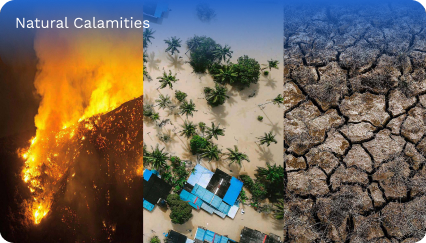
Natural Calamities Natural Calamities

ENVIRONMENTAL RISKS & CLIMATE CHANGE

Environmental Risks And Climate Change Refer To The Increasing Vulnerability Of Cities To Natural And Human-Induced Hazards Such As Floods, Heatwaves, Rising Sea Levels, Air Pollution, Water Scarcity, And Extreme Weather Events. These Risks Are Intensified By Rapid Urbanization, Deforestation, And Unsustainable Resource Use.

  • Increased Flood Risk: Poor Drainage And Impervious Surfaces Cause Urban Flooding.
  • Extreme Heat: Urban Heat Islands Raise City Temperatures And Health Risks.
  • Air & Water Pollution: Industrial And Vehicle Emissions Degrade Environmental Quality.
  • Loss Of Biodiversity: Habitat Destruction Due To Unplanned Urban Expansion.
  • Resource Depletion: Overuse Of Water, Energy, And Land Beyond Sustainable Limits.
  • Climate Displacement: Communities In Vulnerable Areas Forced To Relocate.
  • Green Infrastructure: Parks, Urban Forests, Green Roofs, And Permeable Pavements.
  • Renewable Energy Transition: Solar, Wind, And Clean Energy For Cities.
  • Climate-Resilient Planning: Flood Zones, Disaster-Ready Infrastructure, And Risk Mapping.
  • Waste & Water Management: Recycling, Rainwater Harvesting, And Efficient Drainage Systems.
  • Low-Carbon Transport: Promote Electric Vehicles, Cycling, And Public Transit.
  • Environmental Regulations: Strict Pollution Control Laws And Green Building Standards.
  • Resilient Cities: Better Prepared To Handle Floods, Heatwaves, And Disasters.
  • Cleaner Air & Water: Healthier Living Environments For All Urban Residents.
  • Biodiversity Conservation: Protected Green Spaces Support Ecosystems And Wildlife.
  • Sustainable Resource Use: Efficient Energy And Water Systems Reduce Waste.
  • Lower Carbon Emissions: Greener Cities Contribute To Global Climate Goals.
  • Better Quality Of Life: Safe, Green, And Comfortable Urban Living For Future Generations.

Sustainable Urban Planning Protects Cities And Communities From The Growing Threat Of Climate Change.
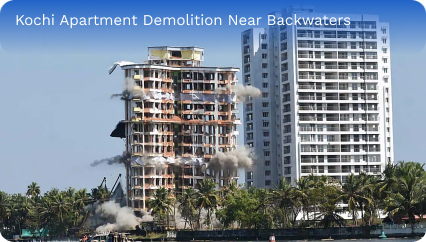
Kochi Apartment Demolition Near Backwaters Kochi Apartment Demolition Near Backwaters

WEAK GOVERNANCE & LAND USE CONFLICTS

Weak Governance And Land Use Conflicts Arise When Urban Institutions, Policies, And Regulatory Frameworks Are Ineffective, Poorly Coordinated, Or Poorly Enforced. This Leads To Overlapping Land Uses, Unauthorized Developments, Disputes Over Land Ownership, And Inefficient Decision-Making In Urban Development.

  • Unplanned Growth: Leads To Chaotic Urban Form And Inefficient Land Use.
  • Legal Disputes: Increases Conflicts Over Land Ownership And Zoning.
  • Infrastructure Mismatch: Services Fail To Align With Actual Development.
  • Environmental Damage: Encroachment On Wetlands, Forests, And Floodplains.
  • Social Inequity: Favours Powerful Groups Over Vulnerable Communities.
  • Policy Failure: Weak Implementation Of Master Plans And Regulations.
  • Integrated Land-Use Planning: Align Master Plans, Zoning, And Infrastructure Plans Across Agencies.
  • Clear And Updated Zoning Regulations: Reduce Ambiguity And Illegal Conversions.
  • Strengthen Institutional Coordination: Create Unified Urban Authorities And Inter-Department Data Sharing.
  • Digitization Of Land Records: GIS-Based Cadastral Maps, Online Approvals, And Transparent Registries.
  • Participatory Planning: Involve Citizens, Local Bodies, And Stakeholders In Planning Decisions.
  • Time-Bound Approvals & Single-Window System: Streamline Clearances To Minimize Delays And Limit Discretionary Decision-Making.
  • Strict Enforcement & Grievance Redressal: Monitor Violations And Resolve Disputes Quickly.
  • Reduced Land Disputes: Clear Ownership And Zoning Minimize Conflicts.
  • Faster Project Approvals: Predictable Processes Attract Investment.
  • Transparent Governance: Less Corruption And Higher Public Trust.
  • Efficient Land Utilization: Balanced Growth Of Residential, Commercial, And Green Areas.
  • Better Infrastructure Planning: Services Align With Actual Land Use.
  • Sustainable And Orderly Urban Growth: Fewer Illegal Developments And Planning Failures.

Strong, Transparent Governance Turns Chaotic Land Use Into Planned, Investment-Ready Urban Growth.
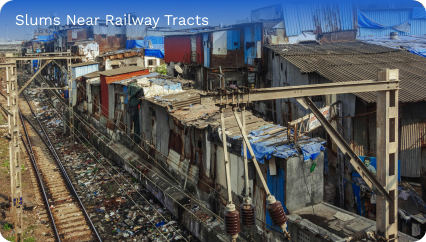
Slums Near Railway Tracts Slums Near Railway Tracts

UNPLANNED ECONOMIC CLUSTERS

Unplanned Economic Clusters Refer To The Spontaneous Concentration Of Industries, Businesses, Or Commercial Activities In Specific Urban Areas Without Formal Planning, Zoning, Or Adequate Infrastructure Support. These Clusters Often Emerge Due To Market Forces, Proximity To Labour, Transport Routes, Or Resource Availability.

  • Infrastructure Overload: Roads, Power, Water, And Waste Systems Become Overstressed.
  • Traffic & Congestion: Heavy Movement Of Workers And Goods Creates Frequent Bottlenecks.
  • Environmental Pollution: Increased Industrial Waste, Noise, And Air Pollution.
  • Land Use Conflicts: Industrial Activities Near Residential Areas Create Conflicts.
  • Worker Safety Issues: Lack Of Regulatory Oversight Increases Risks.
  • Uneven Urban Development: Other Areas Remain Underdeveloped.
  • Planned Industrial Zoning: Designate Proper Zones For Industries, Warehousing, And Commercial Hubs.
  • Cluster-Based Development Policy: Develop Formal MSME Parks, Logistics Parks, And IT Parks.
  • Infrastructure Provisioning First: Ensure Roads, Power, Water, And Digital Connectivity Before Allowing Growth.
  • Land Pooling & Serviced Land Supply: Provide Ready-To-Use Plots To Prevent Informal Clustering.
  • Incentives For Relocation/Formalization: Support Informal Units To Shift Into Planned Estates.
  • Integrated Land-Use And Transport Planning: Connect Economic Hubs With Public Transport And Freight Corridors.
  • Regulatory Enforcement & Monitoring: Strengthen Oversight To Curb Unauthorized Industrial Activities Within Residential Zones.
  • Reduced Urban Chaos: Organized Business Districts Instead Of Scattered Growth.
  • Higher Economic Productivity: Firms Benefit From Shared Infrastructure And Networks.
  • Better Environmental Management: Pollution Control Becomes Easier In Planned Zones.
  • Improved Logistics Efficiency: Faster Movement Of Goods And Services.
  • More Formal Jobs: Encourages MSME Growth And Employment Generation.
  • Balanced Urban Development: Prevents Pressure On Residential Neighbourhoods.
  • Investment Attraction: Planned Clusters Draw Domestic And Global Investors.

Planned Economic Clusters Turn Scattered Informal Growth Into Efficient, Investment-Ready Urban Economies.
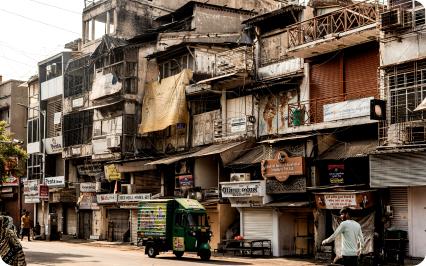
Aging Infrastructure & Urban Decay Aging Infrastructure & Urban Decay

AGING INFRASTRUCTURE & URBAN DECAY

Aging Infrastructure And Urban Decay Refer To The Deterioration Of Physical Assets Such As Roads, Bridges, Buildings, Utilities, And Public Spaces Due To Poor Maintenance, Outdated Design, And Long-Term Underinvestment. This Leads To Declining Service Quality, Unsafe Structures, And Reduced Urban Livability, Especially In Older City Cores.

  • Safety Risks: Increased Chances Of Structural Failures And Accidents.
  • Service Disruptions: Frequent Breakdowns In Water, Power, And Transport Systems.
  • Economic Decline: Reduces Investment And Property Values.
  • Poor Living Conditions: Deteriorated Housing And Public Spaces Affect Quality Of Life.
  • High Maintenance Costs: Repair And Replacement Become Increasingly Expensive.
  • Environmental Inefficiency: Old Systems Consume More Energy And Resources.
  • Asset Condition Assessment: Regular Audits Of Roads, Bridges, Water, Sewer, And Public Buildings.
  • Planned Rehabilitation & Retrofitting: Restore, Reinforce, And Modernize Existing Infrastructure.
  • Lifecycle-Based Maintenance: Shift From Reactive Fixes To Preventive, Scheduled Maintenance.
  • Smart Monitoring Systems: Sensors, SCADA, And Digital Twins For Real-Time Performance Tracking.
  • Urban Renewal & Redevelopment: Revitalize Old Neighborhoods With Mixed-Use, Higher-Density Projects.
  • Dedicated Funding Mechanisms: Municipal Bonds, PPPs, And Maintenance Funds For Steady Financing.
  • Resilience Upgrades: Climate-Proof Designs (Flood Protection, Heat-Resistant Materials).
  • Improved Safety & Reliability: Fewer Failures, Accidents, And Service Disruptions.
  • Lower Long-Term Costs: Preventive Maintenance Is Cheaper Than Emergency Replacement.
  • Extended Asset Life: Better Returns On Existing Public Investments.
  • Revived Neighborhood: Higher Property Values And Renewed Economic Activity.
  • Climate Resilience: Infrastructure Withstands Extreme Weather Better.
  • Better Quality Of Life: More Dependable Water, Transport, And Public Spaces.

Investing In Infrastructure Renewal Today Builds Safer, Smarter, And More Livable Cities For Tomorrow.

Neglected Heritage Sites Neglected Heritage Sites

HERITAGE NEGLECT & COMMUNITY DISCONNECTION

Heritage Neglect And Community Disconnection Refer To The Decline, Underutilization, Or Loss Of Historical, Cultural, And Social Assets In Cities, Along With Weakening Ties Between People And Their Local Environments. This Often Occurs When Rapid Development Overlooks Cultural Identity, Traditional Spaces, And Community Participation.

  • Loss Of Cultural Identity: Erosion Of Local History, Traditions, And Sense Of Place.
  • Social Fragmentation: Weakens Community Bonds And Collective Memory.
  • Decline In Tourism Value: Neglected Heritage Reduces Cultural And Economic Potential.
  • Irreversible Damage: Historical Assets May Be Lost Permanently.
  • Reduced Civic Pride: People Feel Less Connected To Their City.
  • Unsustainable Development: Modern Growth Becomes Detached From Local Context.
  • Heritage Conservation Planning: Identify, List, And Legally Protect Heritage Buildings And Precincts.
  • Adaptive Reuse Of Heritage Assets: Convert Old Structures Into Museums, Cultural Centers, Cafes, Or Public Spaces.
  • Community Participation Programs: Involve Local Residents In Heritage Walks, Festivals, And Stewardship.
  • Incentives For Preservation: Provide Tax Benefits, Grants, Or TDR For Owners Maintaining Heritage Properties.
  • Public Awareness & Education: Promote Heritage Value Through Schools, Tourism Campaigns, And Signage.
  • Context-Sensitive Urban Design: Ensure New Development Respects Heritage Character.
  • Digital Documentation: Use GIS, 3D Scanning, And Archives To Record And Monitor Heritage Assets.
  • Cultural Identity Preserved: Cities Retain Their Unique History And Character.
  • Stronger Community Bonding: Residents Feel Pride And Connection To Their Place.
  • Tourism Growth: Heritage Areas Attract Visitors And Boost The Local Economy.
  • Sustainable Urban Renewal: Reuse Reduces Demolition Waste And Resource Use.
  • Higher Property Values: Well-Maintained Heritage Precincts Become Premium Areas.
  • Intergenerational Continuity: Future Generations Inherit Living History, Not Lost Memories.

Protecting Heritage Reconnects Communities With Their Roots While Creating Vibrant, Economically Valuable Urban Spaces.

Tech-Driven Governance Tech-Driven Governance

TECH-DRIVEN GOVERNANCE NEEDS

Tech-Driven Governance Needs Refer To The Growing Requirement For Cities And Public Institutions To Adopt Digital Technologies Such As GIS, AI, Big Data, IoT, And Smart Platforms To Improve Urban Management, Service Delivery, Transparency, And Decision-Making In Increasingly Complex Urban Systems.

  • Digital Divide: Excludes Populations With Limited Digital Access Or Literacy.
  • High Implementation Costs: Requires Significant Investment In Systems And Training.
  • Cybersecurity Risks: Vulnerability To Data Breaches And System Failures.
  • Over-Reliance On Technology: May Reduce Human Judgment In Governance.
  • Data Privacy Concerns: Risk Of Misuse Of Citizen Data.
  • Institutional Capacity Gaps: Lack Of Skills To Manage Advanced Technologies.
  • Integrated E-Governance Platforms: Single Digital Portal For Permits, Taxes, Grievances, And Citizen Services.
  • Data-Driven Decision Systems: Use GIS Dashboards, AI Analytics, And Real-Time Urban Data.
  • Smart City Infrastructure: IoT Sensors For Traffic, Water, Waste, And Public Safety Monitoring.
  • Digitization Of Records: Online Land Records, Building Approvals, And Municipal Databases.
  • Citizen Engagement Apps: Mobile Apps For Complaints, Feedback, And Service Tracking.
  • Inter-Agency Data Sharing: Unified Command Centers And Interoperable Systems.
  • Cybersecurity & Data Governance: Robust Frameworks To Ensure Privacy, Security, And Comprehensive Data Protection.
  • Faster Public Services: Reduced Paperwork And Quicker Approvals.
  • Greater Transparency: Less Corruption And More Accountable Governance.
  • Better Planning Decisions: Policies Based On Real-Time Evidence.
  • Cost Efficiency: Automation Reduces Operational Expenses.
  • Improved Citizen Satisfaction: Easy Access To Services Anytime, Anywhere.
  • Resilient And Smart Cities: Governments Respond Quickly To Crises And Growth.

Smart Governance Technology Transforms Cities Into Responsive, Transparent, And Future-Ready Urban Systems.
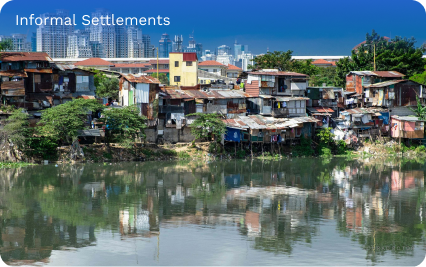
Informal Settlements Informal Settlements

SOCIAL SEGREGATION &
HOUSING AFFORDABILITY CRISIS

Social Segregation And The Housing Affordability Crisis Refer To The Growing Spatial And Economic Division Within Cities, Where Low- And Middle-Income Groups Are Increasingly Pushed To Peripheral Or Informal Areas Due To Rising Property Prices, Unequal Access To Housing, And Market-Driven Urban Development. This Leads To Socially Fragmented Cities And Reduced Inclusivity.

  • Exclusion Of Vulnerable Groups: Low-Income Populations Face Displacement And Insecurity.
  • Urban Inequality: Deepens Social And Economic Divides.
  • Longer Commutes: Affordable Housing Located Far From Job Centres.
  • Growth Of Informal Settlements: Increases Slums And Unauthorized Housing.
  • Reduced Social Cohesion: Weakens Community Integration And Diversity.
  • Pressure On Public Services: Peripheral Areas Lack Adequate Infrastructure.
  • Inclusionary Housing Policies: Mandate Affordable Units In Private Developments.
  • Mixed-Income Neighbourhood Planning: Avoid Income-Based Spatial Segregation.
  • Expand Affordable Rental Housing: Promote Regulated Rental And Co-Living Models.
  • Subsidies & Housing Finance Support: Interest Subsidies, Credit-Linked Schemes For Low- And Middle-Income Groups.
  • Land Value Capture & Public Land Utilization: Leverage Government-Owned Land To Develop Affordable Housing Initiatives.
  • Transit-Oriented Affordable Housing: Build Low-Cost Housing Near Public Transport.
  • Slum Upgrading With Tenure Security: Improve Services While Granting Legal Occupancy Rights.
  • Regulation Of Speculative Real Estate: Curb Land Hoarding And Vacant Housing Stock.
  • Reduced Social Inequality: More Inclusive And Integrated Communities.
  • Improved Housing Access: Safe, Legal Homes For All Income Groups.
  • Shorter Commute Times: Affordable Homes Closer To Jobs And Transit.
  • Stronger Social Cohesion: Less Spatial Segregation And Urban Tension.
  • Economic Productivity: Workers Live Near Employment Centers.
  • Healthier Urban Growth: Fewer Informal Settlements And Overcrowding.
  • Stable Real Estate Markets: Balanced Supply Across Income Segments.

Inclusive Housing Policies Create Equitable, Connected, And Economically Vibrant Cities For The Future.
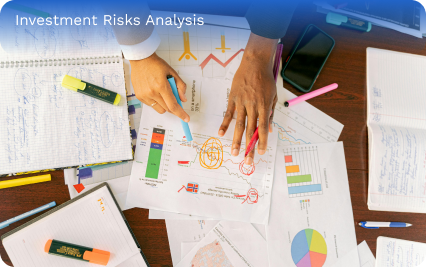
Investment Risks Analysis Investment Risks Analysis

INVESTMENT RISKS IN
DEVELOPMENT

Investment Risks In Development Refer To The Financial, Regulatory, Market, And Operational Uncertainties Faced By Investors While Funding Infrastructure, Real Estate, Urban, Or Industrial Development Projects. These Risks Arise Due To Long Project Timelines, Changing Policies, Market Fluctuations, Cost Overruns, And Socio-Environmental Factors That Can Affect Returns On Investment.

  • Financial Uncertainty: Risk Of Cost Overruns, Funding Gaps, And Delayed Revenues.
  • Regulatory & Policy Risks: Shifts In Government Regulations, Approvals, Or Tax Policies Can Affect Overall Project Feasibility.
  • Market Volatility: Demand Fluctuations Can Reduce Occupancy, Sales, Or Usage.
  • Execution & Operational Risks: Delays In Construction, Poor Project Management, Or Contractor Issues.
  • Environmental & Social Risks: Land Acquisition Issues, Environmental Clearances, And Community Opposition.
  • Liquidity Risk: Investments Are Often Locked-In For Long Periods With Limited Exit Options.
  • Policy Stability & Regulatory Clarity: Consistent Rules, Clear Zoning, And Predictable Approvals.
  • Thorough Feasibility And Risk Evaluation: Conduct In-Depth Due Diligence Covering Market Trends, Financial Viability, And Environmental Impacts.
  • Public-Private Partnership (PPP) Frameworks: Risk-Sharing Between Government And Private Investors.
  • Diversified Financing Models: Mix Of Equity, Debt, Municipal Bonds, And Multilateral Funding.
  • Transparent Approval Systems: Single-Window, Time-Bound Digital Clearances.
  • Escrow & Financial Safeguards: Secure Investor And Buyer Funds Through Protected Financial Mechanisms In Real Estate Projects.
  • Insurance And Risk-Hedging Mechanisms: Safeguard Projects Against Construction, Climate, And Market Uncertainties.
  • Strong Project Governance: Professional Project Management And Monitoring Systems.
  • Higher Investor Confidence: More Domestic And Global Capital Inflows.
  • Faster Project Completion: Reduced Delays And Cost Overruns.
  • Lower Financial Losses: Better Risk Mitigation And Predictability.
  • Improved Infrastructure Delivery: More Bankable Urban Projects.
  • Economic Growth & Jobs: Increased Development Activity.
  • Stable Real Estate Markets: Reduced Speculation And Project Failures.
  • Sustainable Urban Expansion: Investments Align With Long-Term City Plans.

Smart Risk Management Turns Uncertain Development Into Bankable, Investor-Friendly Urban Growth.

OUR SERVICES

Government Authorities & Public Sector Agencies

In This Section It Support Organizations That Are Owned, Managed, And Operated By The Local Government Bodies To Serve The Public Interest. Which Are Responsible For Planning, Regulating, And Delivering Essential Services Such As Urban Development, Infrastructure, Transportation, Housing, Healthcare, Education, And Environmental Management.

Tap A Service Title To Open The Popup

Real Estate Developers & Private Sector

It Focuses On Partnering With Private Enterprises To Deliver Market-Driven Real Estate And Infrastructure Projects, Combining Strategic Planning, Financial Viability, And Innovative Design To Create Sustainable And High-Value Developments.

Tap A Service Title To Open The Popup

Banks, NBFCs & Financial Institutions

Banks, NBFCs & Financial Institutions Play A Critical Role In Enabling Economic Growth By Providing Financial Services, Credit Facilities, Investment Solutions, And Risk Management Support To Individuals, Businesses, And Governments.

Industrial Parks & Special Economic Zones (SEZs)

Industrial Parks & Special Economic Zones (SEZs) Focus On The Planning, Development, Management And Execution Of Dedicated Industrial Clusters That Provide Smart Infrastructure, Policy Incentives, And A Business-Friendly Ecosystem To Attract Investments, Promote Exports, And Drive Economic Growth.

Multilateral Agencies & International Development Partners

It Focus On Collaborating With Global Institutions To Design, Finance, And Implement Development Programs That Support Sustainable Infrastructure, Economic Growth, And Social Impact Across Regions And Countries.